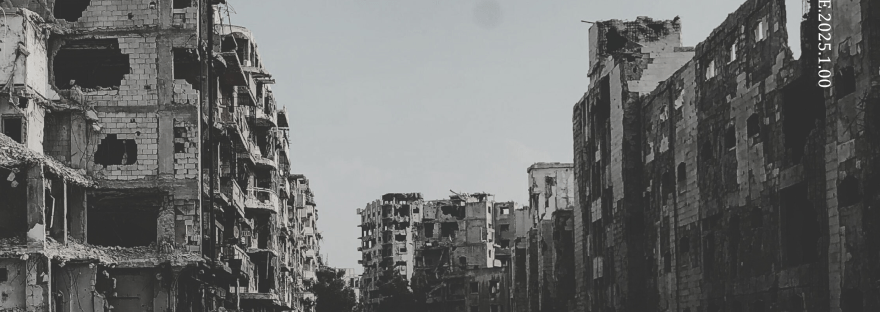
As Russia’s full-scale war against Ukraine continues its fourth year, recovery and reconstruction efforts have begun to take shape. Yet the vision guiding these efforts often overlooks the gendered realities of displacement, integration, and return. Despite repeated references to “equality” and “inclusion” in government strategies, policies remain largely disconnected from the lived experiences of women, LGBTQ+ people, and other marginalised groups, both within Ukraine and among the millions who fled abroad. The disconnect is not only a matter of policy design but also of political will, coordination, and recognition of who gets to participate in shaping Ukraine’s postwar future.
Category: Feminist perspectives
Perspectiva feminista sobre la guerra de Rusia en Ucrania – entrevista con OrienteMedio
A las organizaciones feministas ucranianas no les faltan temas que abordar, empezando por la pobreza feminizada, destrucción de hospitales, escuelas y guarderías, desplazamientos forzosos, violencia de género (incluidas las violaciones en tiempos de guerra) hasta los derechos de las mujeres en el ejército – de esto y muchas cosas mas, incluso mi ultimo libro, en la entrevista al OrienteMedio
Policy Brief. Queering Displacement: The State of the Ukrainian LGBTQ+ Community During the Russian Full-Scale Invasion (For GPPI)

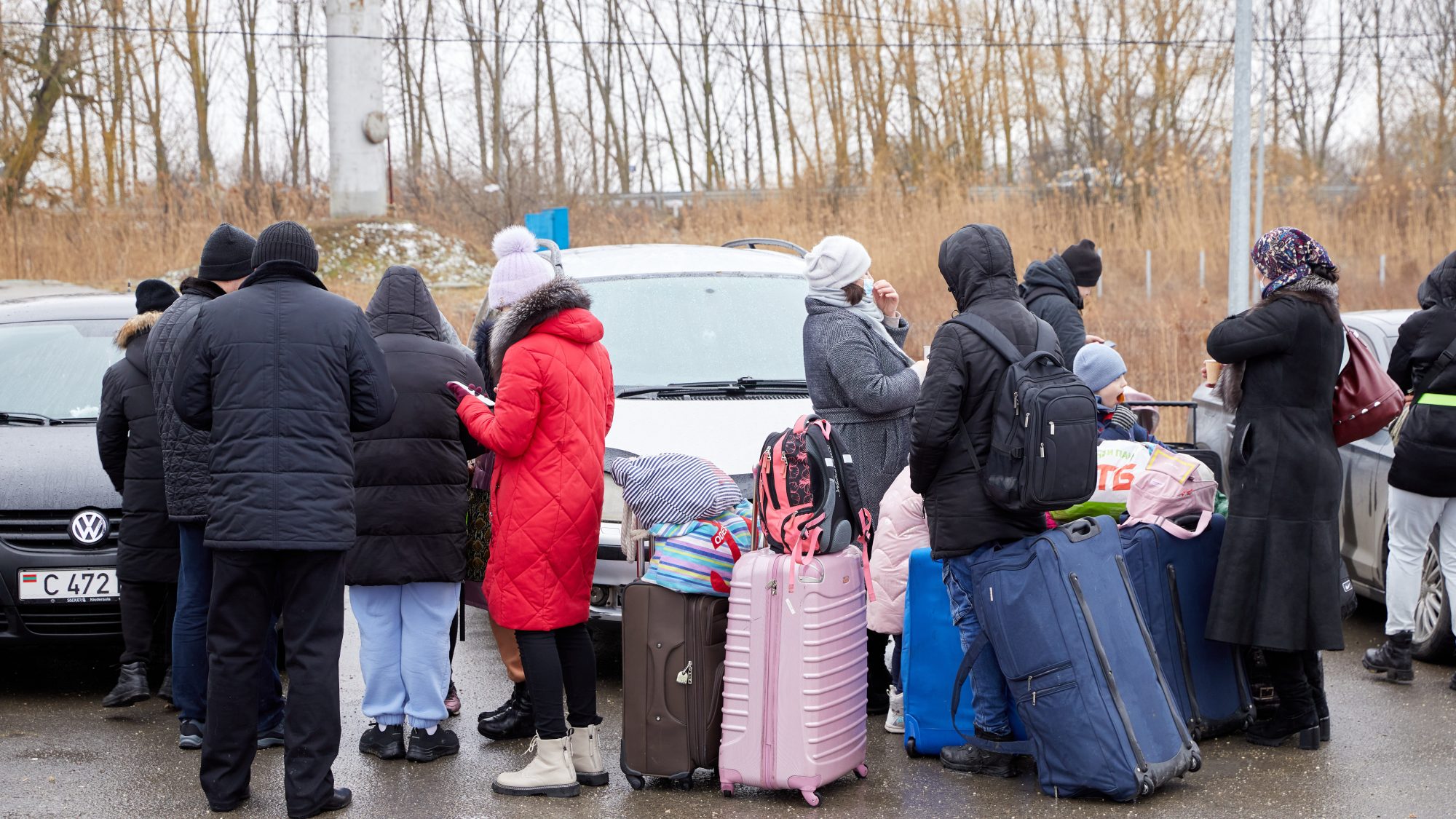
A scene from the Palanca-Maiaki-Udobnoe border crossing point, between the Republic of Moldova and Ukraine, on March 1, 2022, as people fled Russia’s military offensive | Photo: UN Women/Aurel Obreja/Flickr; CC BY-NC-ND 2.0
Russia’s full-scale invasion of Ukraine has had a drastic impact on the lives of internally displaced people (IDPs). But one subgroup of these Ukrainians is particularly vulnerable: IDPs who identify as LGBTQ+. I prepared the following brief in English and Ukrainian for the Global Public Policy Institute.
LUCHA DE GÉNERO Y EUROPEÍSMO: EL CASO DE TURQUÍA Y UCRANIA
Interview with Informe Oriente Medio (in Spanish)
Oriente Medio News.- Muchas gracias, Maryna, por hablar con nosotros. Para comenzar la entrevista, nos gustaría saber un poco sobre su biografía y trayectoria académica.
Maryna Shevtsova.- Nací y crecí en Ucrania, donde obtuve mi primera educación en relaciones económicas internacionales y trabajé durante varios años como profesora universitaria. En 2012, decidí cambiar el campo y solicité un programa de maestría en estudios de género en la Universidad Centroeuropea, entonces con sede en Budapest, Hungría (ahora, debido al régimen de Orban, tuvieron que mudarse a Viena, Austria).
Durante mi maestría, me interesé en los estudios de movimientos sociales y activismo de la sociedad civil. Tuve la suerte de conseguir otra beca para hacer estudios de doctorado sobre estos temas en la Universidad Humboldt, Berlín, y así es como comenzó mi carrera académica. Tuve estancias de investigación en la Universidad de Lund, Suecia, la Universidad de Ljubljana, Eslovenia, en la Universidad Técnica de Oriente Medio, Ankara, Turquía, la Universidad de Helsinki, Finlandia, y Pompeu Fabra, Barcelona, España.
El 1 de septiembre de 2023, comienzo mi nuevo puesto como Senior FWO Research Fellow en KU Leuven, Bélgica. Probablemente tenga que decir que dicha movilidad también está relacionada con la precariedad de mi estatus académico. Si bien disfruto viajar y me apasionan los diferentes países y culturas, no estar seguro de su nueva posición cada año o dos conlleva bastante estrés. También es «más fácil» cambiar de país para una persona sin cónyuge e hijos, como yo. Sin embargo, también se puede decir que tales estructuras en la academia occidental, de hecho, hacen que establecer una familia y tener hijos sea un desafío o, si uno decide hacerlo, limitar sus oportunidades de carrera (y más a menudo, esas son oportunidades de carrera limitadas para las mujeres).
Me parece importante enfatizar cosas como que desde afuera, en las redes sociales, para algunas personas, la vida académica puede parecer más glamorosa y emocionante de lo que es en realidad.
También me gustaría mencionar que durante los últimos seis o siete años, he estado tratando de sentarme en dos sillas, combinando la investigación académica con el trabajo con ONG y organizaciones internacionales, ya que creo que los científicos sociales pueden contribuir a cambiar el mundo que los rodea. Trabajé en diferentes roles como coordinadora de proyectos, investigadora y consultora con muchas ONG de derechos humanos en Ucrania y la región de Europa Central y Oriental. En 2021, organicé mi propia ONG en Dnipro, Equal Opportunities Platform – hablaré más sobre esto más adelante. Leer mas
The participation of LGBTQ+ people in the war effort cannot be ignored
Interview for the Forum for Ukrainian Studies
Ostap Kushnir: In your opinion, what major gender-based challenges in social and political life has Ukraine faced, resolved, or failed to resolve since the beginning of the war in 2014?
Maryna Shevstova: When it comes to legislation, Ukraine has been on the right path and demonstrated good progress. This has happened not without the help of its Western partners. Immediately after Euromaidan in 2014, Ukraine reoriented itself toward integration with the European Union, which was accompanied by technical, economical, financial, political, and other kinds of support from the outside. This also additionally empowered civil society, activists, and individual MPs to push forward for further updates.
One call or message can change someone’s destiny or give them hope
An interview with Ukrainian MSCA postdoctoral fellow Maryna Shevtsova.

An interview with MSCA Portal, full version available here
Ukrainian feminist activist Maryna Shevtsova: All women’s rights organisations have switched to emergency mode
My interview for Feministeerium
What has the war meant for women? Hille Hanso talked to Maryna Shevtsova, a Ukrainian scholar, feminist and activist, about the history of the feminist movement in Ukraine, the developments in women’s and minorities’ political rights in Ukraine before the war, about the views on surrogacy and the impact of the war. Their conversation began in the autumn and ended when Russia had attacked Ukraine and the normal functioning of society ceased abruptly.

School as a Battlefield: The Debate on Sexuality Education in Ukraine

Sex Education, a three-season Netflix series in which the teenage son of a sex therapist mother sets up an underground sex therapy clinic at his school, has been a resounding hit among audiences of various age groups across the globe, and Ukraine is no exception. Ukrainian teenagers and many of their parents seemed to appreciate following the on-screen adventures of diverse characters dealing with their sexuality, sexual orientation, gender identity, teenage pregnancies, STDs, gender-based violence, female orgasms, coming outs, asexuality, sex lives of people with disabilities, and so on. While the characters’ problems were avidly discussed by viewers of different ages on social media, would it be realistic to expect an open discussion of the above-mentioned topics in a typical Ukrainian classroom?
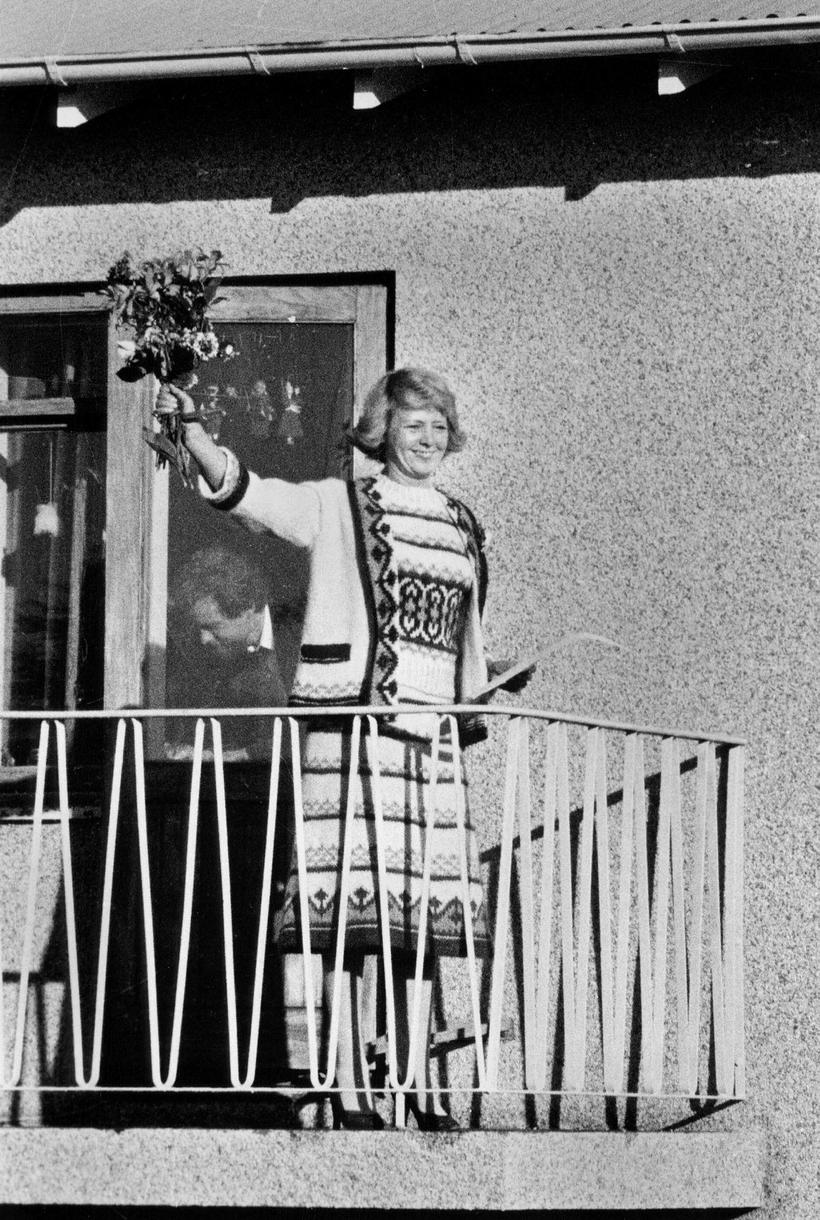
Iceland – the country, where feminism has won?
(In Ukrainian)

Уже кілька років поспіль Ісландія посідає топові місця у світових рейтингах гендерної рівности. Західні видання, як-от «Форбс» і «Економіст», постійно згадують цю невелику північну країну як приклад, який повинні наслідувати всі розвинуті демократичні держави. Майже десяток років як в Ісландії найменший розрив у зарплаті між жінками й чоловіками і ця країна — світовий лідер із залучення жінок як робочої сили: частка жінок, які працюють, 2017 року сягнула 80 %. У правліннях великих компаній жінки займають майже половину посад, це результат запровадженої 2013 року обов’язкової гендерної квоти у 40 %. Країна також надзвичайно дружня до ЛГБТІК-спільноти: з 2010 року тут узаконено одностатеві шлюби, одностатеві пари можуть удочеряти і всиновлювати дітей та користуватися послугами штучного запліднення, а для людей з інтерсекс-варіаціями з 2020 року є опція обрати стать «Х» у документах. Інакше кажучи, Ісландія з населенням трошки менше як 320 тисяч осіб принаймні зовні схожа на країну, де фемінізм, толерантність і права людини таки перемогли. Чи справді це так і як ісландським жінкам вдалося те, про що в інших частинах світу можна лише мріяти, спробуймо розібратися в цій статті.
Covid-19 Pandemic Case Study: Ukraine
My report on COVID-19 situation in Ukraine for Heinrich Boell Stiftung, Brussels

The first Covid-19 case was detected in Ukraine on 3 March in the western oblast of Chernivtsi. As of the end of August, almost 115,000 cases had been confirmed, including some 2,500 deaths. The primary sources of the initial outbreak were Ukrainians returning home from work and tourist trips from abroad.